

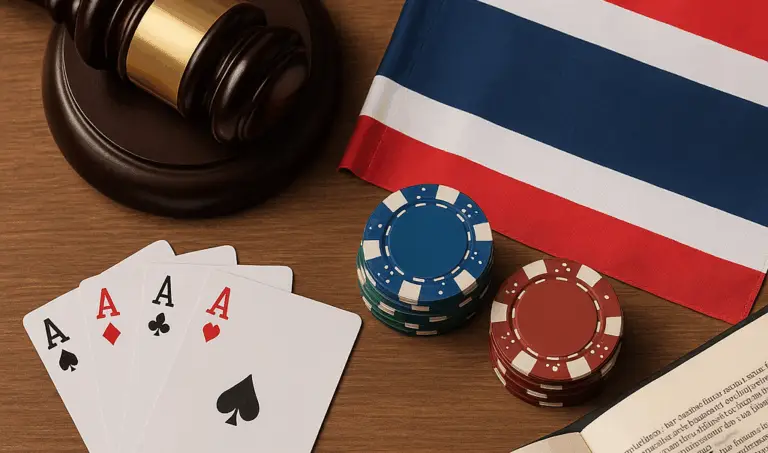
Thailand Legalizes Poker: A New Era for Skill-Based Competition
On August 4, 2025, Mr. Phumtham Wechayachai, Deputy Prime Minister and Minister of Interior, signed Ministerial Order No. 2253/2568 which officially revokes Ministerial Order No. 490/2501 dated July 28, 1958. The former order prohibited issuing licenses for certain types of gambling including poker and riddle-based card games.
With this revocation, poker is no longer a strictly prohibited gambling activity and can now be licensed under Thai law. The move is seen as a step toward promoting poker as a sport and allowing regulated poker competitions at both the national and international levels.
Is Poker Gambling or a Sport
This question has long been debated. According to the Minister of Interior, poker will still need to be governed under legal conditions, but when operated as a skill-based competition such as in tournaments it can be legally organized.
Authorities will still maintain oversight to ensure poker activities follow proper licensing procedures and that the nature of the events is clearly aligned with competitive sports rather than traditional gambling.
Legal and Social Implications
The legalization of poker opens the door to future legislative reforms related to gambling, entertainment, and e-sports. It also creates opportunities in several areas
• National poker tournaments under government regulation
• Sending Thai poker athletes to global competitions
• Boosting the economy through sports tourism and professional events
However, concerns remain about potential misuse or illegal operations disguised as competitions. This means strict licensing, control measures, and clarity of intent will be required by anyone seeking to organize poker-related events.
Lex Bangkok’s Legal Insight
From a legal standpoint, this order represents a strategic update to existing gambling regulations. It aligns with ongoing discussions to modernize Thai laws and recognize skill-based games separately from games of chance.
Lex Bangkok believes this change enables individuals, companies, and sports associations to apply for poker-related licenses provided that operations meet the legal criteria and are not disguised gambling activities.
Key Considerations If You Want to Organize Poker Events in Thailand
Licensing is required from the Ministry of Interior or relevant authorities
1. Events must clearly serve a competitive or sports-related purpose not gambling
2. Compliance with related laws such as the Gambling Act B.E. 2478 (1935) is essential
3. Operations must include measures to prevent abuse and ensure lawful conduct
Conclusion
Thailand’s decision to legalize poker represents a significant policy shift that acknowledges the skill and competitive nature of poker. It not only modernizes outdated gambling laws but also opens up new possibilities in the e-sports and professional tournament scene.
Frequently Asked Questions (FAQ) about Poker Legalization in Thailand
1. Is poker legal in Thailand now?
Yes. As of August 2025, poker is now legal under specific conditions following the revocation of a previous ministerial order. Organizers can apply for official licenses to operate poker activities legally, especially in the context of sports competitions or skill-based tournaments.
2. Can I open a poker club or host tournaments in Thailand?
Yes, but you must obtain the appropriate license from the Ministry of Interior or relevant regulatory authority. The event must be skill-based, not for gambling purposes, and must comply with the Gambling Act and related laws.
3. What kind of license do I need to organize a poker event in Thailand?
You will need a gambling license specifically for card games permitted under Thai law. After the ministerial order was lifted, poker can now be licensed if the purpose and format meet legal requirements. Legal advice is highly recommended during the application process.
4. Can foreigners participate in poker tournaments in Thailand?
Yes, foreigners can participate in legally organized poker tournaments. However, all participants and organizers must comply with Thai law, and additional requirements may apply depending on the event’s scale and location.
5. What are the penalties for operating an unlicensed poker game in Thailand?
Operating any unlicensed gambling activity is a criminal offense in Thailand. Even with the legalization of poker, failure to obtain the proper license or conducting events outside the legal framework can lead to fines, criminal charges, or imprisonment.
6. How is poker different from other forms of gambling under Thai law?
Poker is now considered a skill-based game, especially when played in a competitive format. This differentiates it from pure games of chance like slot machines or roulette, and creates a legal pathway for poker under regulated conditions.
7. Is online poker legal in Thailand?
As of now, online poker is still generally considered illegal under Thai law. The recent legalization applies to offline poker events with proper licenses. Future amendments may address online platforms, but for now, they remain restricted.
8. How can Lex Bangkok help me with poker-related legal matters?
Lex Bangkok can assist with
-
- Advising on compliance with Thai gambling and sports laws
-
- Drafting event agreements and risk management plans
-
- Liaising with government authorities on your behalf
9. Is poker now recognized as an official sport in Thailand?
While poker is not officially designated as a sport under Thai law, the new policy views it as a skill-based competition. This legal interpretation supports its use in tournaments, making it eligible for licensing under sports or entertainment events.
10. Can businesses or resorts organize poker events as part of tourism offerings?
Potentially yes, as long as the event is licensed and framed as a skill-based competition. However, the venue, purpose, participants, and format must all comply with the law. Legal guidance is crucial to ensure full compliance.
Have more questions about poker laws in Thailand or want to organize a legal poker event
Contact Lex Bangkok today to arrange a consultation.
We offer expert legal services for businesses, event organizers, and sports promoters seeking compliance with Thailand’s evolving gambling laws.