

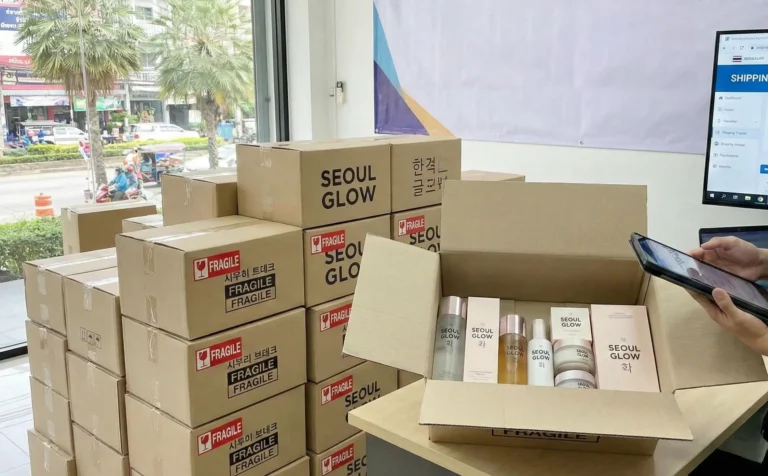
What Every Korean Cosmetic Owner Must Know Before Entering Thailand
Thai FDA registration for Korean cosmetic brands is a mandatory legal requirement for any Korean company planning to sell cosmetics in Thailand. Whether products are manufactured in Korea or elsewhere, understanding Thai FDA rules, manufacturer requirements, and the correct legal setup is essential before entering the Thai market.
However, before any Korean cosmetic product can be sold in Thailand – online or offline – it must comply with Thai FDA regulations. Many Korean brand owners mistakenly believe they must establish a factory or find a Thai manufacturer to register products. In reality, the legal structure is more nuanced.
This guide explains Thai FDA registration for Korean cosmetic brands, including who can register products, whether a Thai manufacturer is required, and how foreign brands should structure their business in Thailand.
Legal Setup for Thai FDA Registration for Korean Cosmetic Brands
In Thailand, cosmetics are regulated by the Thai Food and Drug Administration (Thai FDA) under the Cosmetics Act B.E. 2558 (2015).
Unlike some countries that require pre-market approval, Thailand uses a cosmetic notification system. However, this does not mean registration is optional or simple for foreign brands.
Key principle:
Only a Thai-registered legal entity can submit cosmetic notifications to Thai FDA.
This single rule defines everything for Korean cosmetic companies.
Is a Local Legal Entity Required for Thai FDA Registration?
Yes, you absolutely need one local entity to act as the official FDA registrant.
Common Mistakes in Thai FDA Registration for Korean Cosmetic Brands
Many Korean companies confuse these two roles:
| Role | Required? | Can be Korean? |
|---|---|---|
| Manufacturer | Not required to be Thai | Yes (Korea) |
| Thai FDA Registrant | Required | Must be Thai entity |
Your products can be:
-
- Manufactured in Korea
-
- Formulated by a Korean laboratory
-
- Branded under a Korean company
But the entity filing with Thai FDA must be registered in Thailand.
Who Can Act as the Thai FDA Registrant?
There are three common legal options for Korean cosmetic brands:
1. Thai Distributor (Most Common)
A Thai distributor registers products under its own company name.
Pros
-
- No need to set up a Thai company
Cons
-
- Distributor controls FDA registration
-
- Brand dependency risk
-
- Harder to change partners later
This model is risky if contracts are poorly drafted.
2. Thai Subsidiary of the Korean Brand (Recommended for Long-Term Brands)
The Korean parent company establishes a Thai limited company.
Pros
-
- Full control over FDA registrations
-
- Strong brand protection
-
- Easier expansion to e-commerce, retail, clinics
Cons
-
- Higher setup cost
-
- Requires legal compliance and ongoing maintenance
This is ideal for brands serious about Thailand.
3. Authorized Thai Agent (FDA Nominee Model)
A Thai company acts solely as FDA registrant without commercial control.
Pros
-
- Lower risk than distributors
-
- Brand retains IP and commercial rights
Cons
-
- Requires carefully drafted agreements
-
- Must comply with FDA liability rules
Can a Korean Company Register Thai FDA Directly?
No. Thai FDA’s electronic cosmetic notification system does not allow foreign companies to submit applications.
Even if you have:
-
- Korean FDA approval
-
- EU CPNP registration
-
- US FDA voluntary listing
These do not replace Thai FDA notification.
Thailand treats cosmetics as territorially regulated products.
What Thai FDA Actually Reviews for Korean Cosmetics
Thai FDA focuses on product safety and labeling compliance, not brand nationality.
Key Review Areas:
-
- Ingredient compliance (ASEAN Cosmetic Directive)
-
- Prohibited and restricted substances
-
- Product category classification
-
- Labeling in Thai language
-
- Responsible Thai legal entity
Thai FDA does not evaluate marketing claims during notification, but claims are regulated separately and enforced strictly.
Do Korean Products Need Reformulation for Thailand?
Sometimes, yes. Thailand follows the ASEAN Cosmetic Directive (ACD), which may differ from:
-
- Korean MFDS standards
-
- EU cosmetic regulations
-
- US cosmetic guidelines
Common reformulation triggers:
-
- Whitening ingredients
-
- Acne treatment substances
-
- Herbal or functional actives
-
- Preservative concentration limits
A legal and regulatory review is essential before filing.
Labeling Rules That Often Surprise Korean Brands
Thai cosmetic labels must include:
-
- Product name
-
- Function
-
- Ingredients (INCI)
-
- Name and address of Thai FDA registrant
-
- Manufacturing country
-
- Batch number
-
- Manufacturing or expiry date
-
- Instructions and warnings in Thai
English-only packaging is not acceptable.
Sticker labels are allowed, but must comply fully.
Online Sales: Do You Still Need Thai FDA?
Yes. Absolutely.
Selling through:
-
- Shopee
-
- Lazada
-
- TikTok Shop
-
- Clinic channels
All require valid Thai FDA notification. Platforms increasingly request proof.
Who Is Legally Liable in Thailand?
The Thai FDA registrant bears legal responsibility for:
-
- Product safety
-
- Ingredient accuracy
-
- Label compliance
-
- Consumer complaints
-
- FDA inspections and penalties
This is why choosing the right registrant structure matters more than speed.
Strategic Question Korean Owners Should Ask (But Rarely Do)
“Who controls my Thai FDA number?”
FDA registration ownership affects:
-
- Distributor termination
-
- Market exit strategy
-
- Brand valuation
-
- Franchise and licensing deals
Poor planning here causes long-term business damage, not just legal trouble.
Steps in Thai FDA Cosmetic Notification
Steps:
-
- Document review
-
- Ingredient compliance check
-
- FDA notification submission
Common Mistakes Korean Brands Make
-
- Registering under distributor without exit clause
-
- Assuming Korean FDA approval is enough
-
- Using marketing claims before legal review
-
- Ignoring Thai language labeling
-
- Registering before confirming ingredient compliance
These mistakes cost more to fix than to prevent.
FAQ: Thai FDA Registration for Korean Cosmetic Brands
Do I need a Thai factory to sell cosmetics in Thailand?
No. Products can be manufactured in Korea. You only need a Thai legal entity to act as FDA registrant.
Can my Korean company own Thai FDA registrations?
Indirectly, yes, through a Thai subsidiary. Direct registration is not allowed.
Can I change Thai FDA registrant later?
Yes, but it requires cancellation and re-notification. This can disrupt sales.
Is Thai FDA registration transferable?
No. FDA numbers are tied to the registrant entity.
Are natural or herbal cosmetics exempt?
No. All cosmetics require Thai FDA notification.
Final Thoughts: Thailand Is Open, But Not Informal
Thailand welcomes Korean cosmetic brands, but regulatory structure matters. Thai FDA registration is not just paperwork, it defines who controls your brand in Thailand.
The smartest Korean companies plan legal structure first, registration second.
Let Lex Bangkok Help You
If you are a Korean cosmetic brand owner planning to enter Thailand, do not rely on assumptions or distributors’ promises.
Lex Bangkok assists foreign cosmetic companies with:
-
- Thai FDA cosmetic notification
-
- Legal structuring for Korean brands
-
- Distributor and FDA registrant agreements
-
- Labeling and compliance review
-
- Long-term market entry strategy
Contact Lex Bangkok for a professional, foreigner-friendly consultation before registering your Thai FDA.
This article provides general legal information only and does not constitute legal advice. For case-specific guidance, consult a qualified Thai lawyer.