


If you’re planning a product launch, our Thailand FDA registration team helps you get approval for cosmetics, supplements, and medical devices fast. You’ll need more than just a distributor, you’ll need FDA approval and a clear legal structure.
For foreign companies, the Thailand FDA registration process can feel complex – different product categories, online systems, Thai-language requirements, and local licence holder rules.
This guide explains the Thailand FDA registration process step by step, in clear, foreigner-friendly language so you understand the big picture before you start.
Our team helps foreign entrepreneurs, importers, and international companies to:
-
- Register products with the Thai FDA
-
- Acquire business licenses for local operations
-
- Ensure compliance with Thailand’s Ministry of Public Health and trade laws
-
- Build sustainable market entry strategies
1. What Is the Thai FDA and When Is Registration Required?
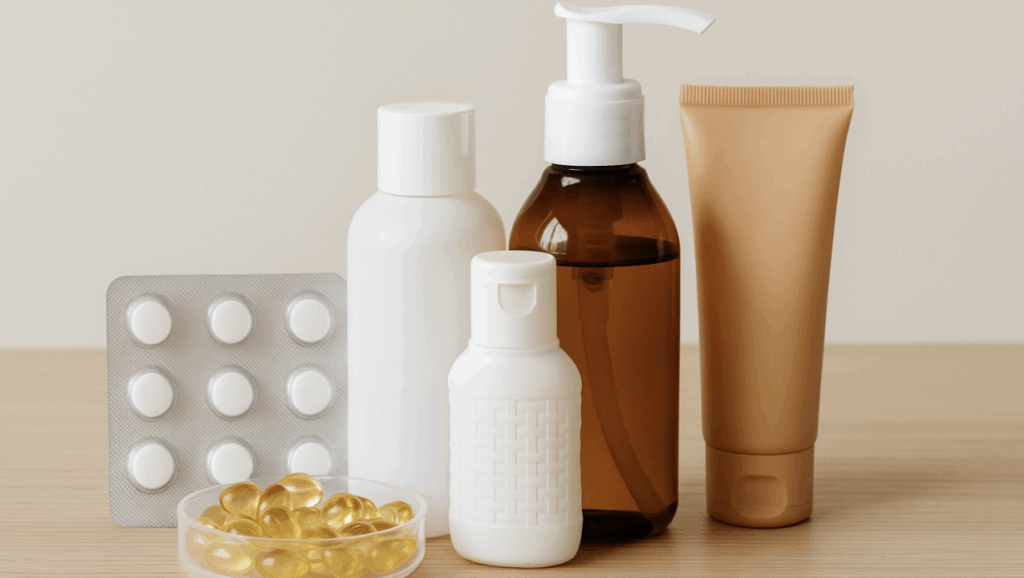
The Thai FDA is the main regulator for products that can affect public health, including:
-
Food and beverages
-
Drugs and modern/traditional medicines
-
Cosmetics
-
Medical devices
-
Hazardous substances used in households (certain categories)
-
Dietary supplements and nutraceuticals
Depending on your product, Thai law may require:
-
Product notification (simpler, for low-risk items such as most cosmetics)
-
Product registration / license approval (for higher-risk products such as drugs and some medical devices)
-
Establishment (factory / importer / distributor) licensing
Putting a regulated product on the Thai market without the required FDA registration, notification, or license can lead to product seizures, fines, and even criminal penalties for responsible persons and directors.
So, the first critical step is to correctly classify your product.
2. Step 1 – Classify Your Product Under Thai Law
Before you can register anything with the Thai FDA, you must know exactly what your product is under Thai regulations, not just your marketing concept.
Key classification questions:
-
Is it food or dietary supplement?
-
Is it a cosmetic or drug?
-
Is it a medical device, and if yes, which risk class?
-
Does it fall under hazardous substances controlled by other laws?
Each category has its own set of rules, required documents, and timelines. Misclassification is one of the most common reasons for delay or rejection.
Typical distinctions:
-
Food vs dietary supplement: A “functional drink” might be regulated as food, but if you claim medical effects (e.g., “treats insomnia”), it may fall into drug territory.
-
Cosmetic vs drug: A cream that “moisturizes skin” is often cosmetic; a cream that “treats acne” may be a drug or quasi-drug.
-
Medical device risk classes: Different classes (e.g., low-risk vs high-risk devices) face different registration burdens.
Practical tip:
Prepare product labels, ingredient lists, and promotional materials and have them reviewed by a Thai regulatory professional. Marketing claims that sound harmless in English can push your product into a stricter category under Thai law.
3. Step 2 – Appoint a Local Thai Entity or License Holder
Foreign manufacturers cannot usually register directly with the Thai FDA. You must work through a:
-
Thai company (subsidiary) that you own, or
-
Local importer / distributor, or
-
Independent regulatory service provider acting as your license holder.
This local entity will:
-
Hold the establishment license (e.g., importer license)
-
Maintain the product registration certificate
-
Act as the contact point with the Thai FDA
-
Be responsible for post-market surveillance, adverse event reporting, and recalls
This is a strategic choice. If your distributor holds the registrations, changing distributors later can be difficult because registrations usually stay with the license holder. Many foreign brand owners prefer to have:
-
A neutral regulatory agent holding the licenses for flexibility.
4. Step 3 – Prepare the Required Company and Site Licenses
Before product-by-product registration, your Thai entity usually needs an appropriate establishment license, for example:
-
Food importer / manufacturer license
-
Drug importer / manufacturer license
-
Cosmetic manufacturer / importer notification
-
Medical device establishment license
The process typically involves:
-
Company documents (affidavit, objectives, director list)
-
Factory or warehouse layout & location
-
Storage and quality control procedures
-
Basic Good Manufacturing Practice (GMP) or Good Storage Practice compliance, depending on product type
Once the establishment license is issued, you can then submit individual product registrations/notifications under that license.
5. Step 4 – Gather Technical Documents for Product Registration
The documentation required depends heavily on the product type and risk level, but you should expect to prepare some or all of the following:
5.1 Administrative documents
-
Certificate of incorporation and company affidavit (Thai entity)
-
Power of attorney / authorization letter from the foreign manufacturer
-
Manufacturing license or GMP certificate from the country of origin
-
Letter of appointment of Thai agent / license holder
5.2 Product information
-
Product name (English and Thai)
-
Product category and intended use
-
Full qualitative and quantitative composition (all ingredients and percentages)
-
Manufacturing process overview or flow chart
-
Packaging description and sizes
5.3 Safety and quality documents
Depending on the product type, Thai FDA may require:
-
Certificates of Analysis (CoA) for finished product and/or active ingredients
-
Stability data or shelf-life justification
-
Toxicological data for novel ingredients
-
Clinical data or literature (for certain drugs, high-risk medical devices, or novel active substances)
5.4 Labels and artwork
-
Draft Thai-language label compliant with Thai labelling rules
-
Outer box and primary container artwork
-
Instructions for use, leaflets, or package inserts (where applicable)
The Thai FDA is particularly strict about prohibited ingredients, maximum allowed levels, and claims on labels. Incorrect or non-compliant labels are a common source of queries and rejections.
6. Step 5 – Register and Use the Thai FDA Online Systems
Most modern applications are submitted through Thai FDA online portals. A Thai-speaking representative usually manages this.
General steps:
-
Create an account for the Thai entity and link the establishment license.
-
Fill in online forms for each product (product details, ingredients, manufacturer data).
-
Upload required documents in the specified formats (often PDF) and in Thai or English as allowed.
-
Pay the official government fees electronically or at designated banks.
-
Monitor the system for queries and additional document requests from the FDA officer.
Because the interface and requirements are in Thai, foreign companies almost always rely on local staff or a law firm/regulatory consultant to handle the online submissions.
7. Step 6 – FDA Review, Queries, and Approval
After submission and payment, the application moves to FDA officer review. The process can involve:
-
Formal completeness check – Are all required documents submitted?
-
Substantive review – Ingredients, safety, quality, and legal compliance.
-
Label review – Claims, mandatory information, font sizes, and warnings.
Possible outcomes:
-
Approval – You receive a registration certificate or notification receipt with a license/notification number.
-
Query (rejection pending clarification) – The officer asks for additional documents, corrected labels, or explanations.
-
Rejection – Application denied, requiring a new submission or major changes.
Common reasons for delay or rejection include:
-
Using prohibited ingredients or exceeding allowed limits
-
Making therapeutic claims on a product not allowed to make such claims
-
Inadequate safety or quality data for new or high-risk products
-
Poor translations or inconsistent information between documents and labels
Once approved, your Thai entity can legally import, manufacture, and sell the product in Thailand, subject to ongoing compliance.
8. Step 7 – Post-Approval Obligations and Compliance
Registration is not the end of the story. The license holder must comply with post-market obligations, which may include:
-
Maintaining records of imports, distribution, and batch numbers
-
Adverse event monitoring and reporting to the Thai FDA
-
Product recalls or withdrawals when required
-
Keeping labels and formulations consistent with what was approved
-
Renewing registrations or licenses before expiry (registration periods vary by product type)
-
Notifying the FDA of changes (e.g., manufacturer, formulation, label, or packaging changes) through the appropriate variation process
Failure to comply can lead to:
-
Suspension or cancellation of licenses
-
Seizure of products and fines
-
Liability for directors and responsible officers
This is why many foreign businesses retain a long-term regulatory partner in Thailand to manage and monitor ongoing compliance.
9. Indicative Timelines and Costs (High-Level)
Exact timelines and fees depend heavily on:
-
Product type (food vs drug vs cosmetic vs medical device)
-
Risk level and complexity
-
Quality of the initial submission
-
Whether the FDA issues queries
As a very general illustration (not a legal guarantee):
-
Cosmetic notification – Often weeks if documents are in order.
-
Standard food product – Several weeks to a few months.
-
Medicinal products or high-risk medical devices – Several months to over a year.
Government fees are usually per product and can increase for high-risk categories or multi-strength portfolios. You should also budget for:
-
Translation costs
-
Product testing (if needed)
-
Professional fees for Thai regulatory support or legal services
FAQ: Thailand FDA Registration Process
No. Only certain categories regulated by the Thai FDA – such as food, drugs, cosmetics, medical devices, dietary supplements, and some household chemicals – require registration, notification, or licensing. However, many “borderline” products still fall under FDA rules, so classification should be checked carefully.
No. The applicant must be a Thai entity (company or individual) that holds the relevant establishment license. Foreign manufacturers usually appoint a Thai subsidiary, distributor, or regulatory agent to register products and act as license holder.
Timelines vary:
-
Simple cosmetic notifications can be quite fast if documents are in order.
-
Food products may take several weeks to a few months.
-
Drugs and high-risk medical devices can take many months or longer.
The quality and completeness of your initial application, as well as the complexity of the product, have a major impact on timing.
Selling regulated products in Thailand without proper FDA registration, notification, or licensing can lead to product seizure, fines, and potential criminal liability for responsible persons. It may also damage your brand reputation and make future registrations more difficult.
It is possible but often legally and commercially sensitive. Registrations are usually tied to the Thai license holder. Changing distributors may require:
-
New registrations in the name of the new license holder, and/or
-
Clear contract provisions on ownership and transfer of registrations.
It is best to structure your licensing and distribution strategy before the first registration with this in mind.
Yes. For most regulated products, Thai-language labelling that complies with Thai law is mandatory. English can appear in addition, but Thai requirements – including mandatory statements and warnings – must be strictly followed.
FAQ: Thailand FDA Registration Process
No. Only certain categories regulated by the Thai FDA – such as food, drugs, cosmetics, medical devices, dietary supplements, and some household chemicals – require registration, notification, or licensing. However, many “borderline” products still fall under FDA rules, so classification should be checked carefully.
No. The applicant must be a Thai entity (company or individual) that holds the relevant establishment license. Foreign manufacturers usually appoint a Thai subsidiary, distributor, or regulatory agent to register products and act as license holder.
Timelines vary:
-
Simple cosmetic notifications can be quite fast if documents are in order.
-
Food products may take several weeks to a few months.
-
Drugs and high-risk medical devices can take many months or longer.
The quality and completeness of your initial application, as well as the complexity of the product, have a major impact on timing.
Selling regulated products in Thailand without proper FDA registration, notification, or licensing can lead to product seizure, fines, and potential criminal liability for responsible persons. It may also damage your brand reputation and make future registrations more difficult.
It is possible but often legally and commercially sensitive. Registrations are usually tied to the Thai license holder. Changing distributors may require:
-
New registrations in the name of the new license holder, and/or
-
Clear contract provisions on ownership and transfer of registrations.
It is best to structure your licensing and distribution strategy before the first registration with this in mind.
Yes. For most regulated products, Thai-language labelling that complies with Thai law is mandatory. English can appear in addition, but Thai requirements – including mandatory statements and warnings – must be strictly followed.
Practical Tips for a Smooth Thailand FDA Registration
To make your Thailand FDA registration process more efficient:
-
Decide on your local structure early
– Subsidiary, distributor, or independent license holder? This affects control over registrations and long-term flexibility. -
Fix your formulation and claims first
– Do not design labels or marketing that conflict with what is legally allowed in Thailand. -
Use ingredient lists and safety data proactively
– Have detailed CoAs and technical dossiers ready, especially for new actives or unusual formulations. -
Invest in good translations
– Labels, inserts, and key documents should be translated by professionals who understand regulatory language. -
Respond quickly and clearly to FDA queries
– Delayed or incomplete answers can reset timelines or cause rejection. -
Plan for future portfolio expansion
– Structure your Thai entity and licensing approach so you can add more products easily in the future.
How Lex Bangkok Can Assist With Thai FDA Matters
If you are planning to enter the Thai market with food, cosmetics, medical devices, supplements, or pharmaceutical products, understanding the Thailand FDA registration process is only the first step. The real challenge is applying these rules correctly to your actual products and business model.
Lex Bangkok can work with your internal team and technical consultants to:
-
Map out the right regulatory strategy for Thailand
-
Support your choice and setup of a local license-holding structure
-
Review and prepare contracts and documentation that protect your brand and registrations
-
Assist with compliance reviews and ongoing regulatory risk management
To explore how we can assist with your Thailand FDA registration and broader market entry strategy, you are welcome to contact Lex Bangkok for a confidential initial discussion with our team.