

Establishing a factory in Thailand involves more than finding land and buying machinery. Investors must comply with Thai industrial, environmental and safety regulations – and, in many cases, obtain a Factory Operation License (Ror Ngor 4) before starting operations.
At Lex Bangkok, we work in close cooperation with our trusted partners – licensed Thai engineers with more than 30 years of experience – to provide one-stop support for foreign and local clients setting up or expanding factory operations in Thailand.
Our integrated team combines legal, regulatory and engineering know-how so your project is compliant from day one and structured for long-term growth.
The Thai Factory Act B.E. 2535 (1992) sets out the core framework for factory establishment, expansion and operation in Thailand. It covers issues such as licensing, safety, pollution control and government supervision, and is administered mainly by the Department of Industrial Works under the Ministry of Industry.
Under this law, a “factory” generally means premises where machinery of at least a certain total horsepower, or a specified number of workers, are used for activities such as producing, assembling, packing, repairing, storing or destroying goods that fall under listed industrial categories. Not every site meeting this definition requires a license – some only need to notify the authorities, while others must obtain full approval before operations can begin.

Ministerial regulations divide factories into three broad categories:
For factories in the third category, operators must usually inform officials before test runs and again before full commercial operation begins, following the relevant ministerial procedures.
If your project falls into the category requiring a license, a Ror Ngor 4 factory license is a legal prerequisite to operate. Without it, the business can face orders to suspend operations, fines, or other enforcement measures.
In practice, the licensing process typically involves:
Because technical, environmental and legal issues are all connected, it is usually more efficient – and less risky – to handle everything through a coordinated team of lawyers and licensed engineers.

We assist with the full factory license Thailand process, including:
Our aim is to present your application in a clear, complete and compliant way to help reduce delays and avoid unnecessary revisions.
Many investors prefer to locate factories inside a Thai industrial estate, where zoning, utilities and infrastructure are already designed for industrial activities. Estates may be operated by the Industrial Estate Authority of Thailand or private developers, each with its own rules on land use, construction, environmental controls and estate fees.
We support you with:
This helps ensure you understand exactly what you can do within the estate and what ongoing obligations apply to your project.
A typical Ror Ngor 4 application must include:
Together with our engineering partners, we can:
All plans and lists are prepared or reviewed by properly licensed Thai engineers with extensive industrial experience.
For investors who prefer a turnkey factory solution, we can coordinate Engineering, Procurement and Construction (EPC) management through our network of trusted EPC contractors.
Our involvement may include:
You remain in control of major decisions while we help align the legal, technical and contractual aspects of the project.
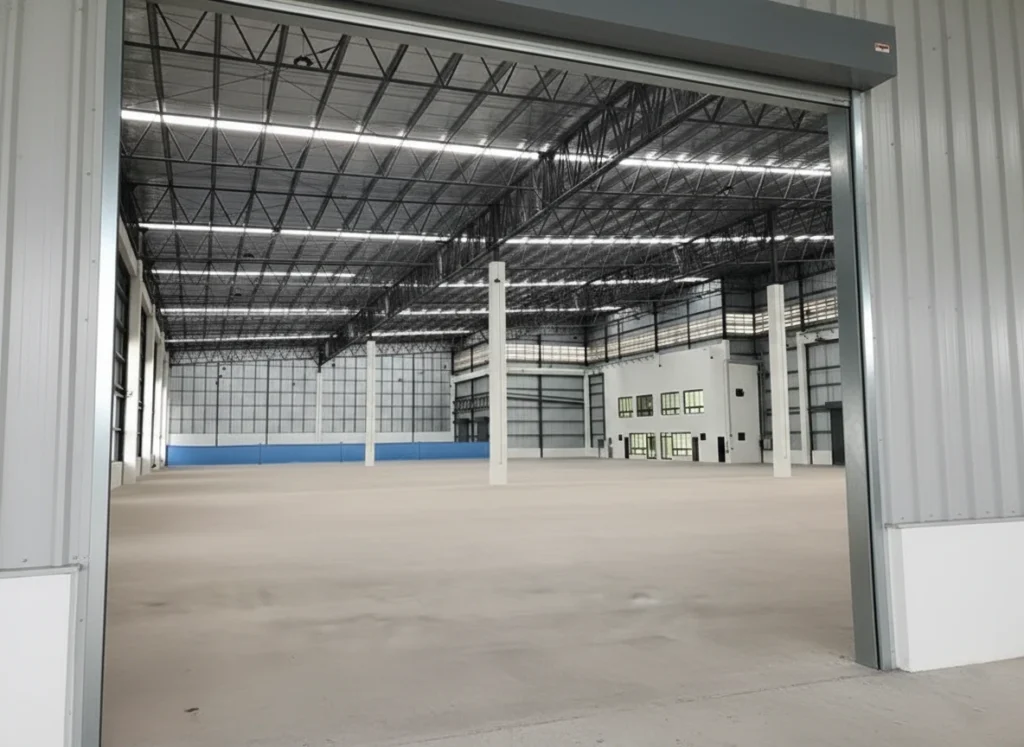
Before committing to a major investment, a factory feasibility study helps determine whether the project is commercially, technically and legally viable.
Working closely with our engineering partners, we can support feasibility assessments that typically cover:
This gives decision-makers a clearer view of risks, timelines and key go/no-go points.
While the exact list depends on your project, a factory license application commonly involves:
We help coordinate the legal and technical documents so they are consistent and ready for submission.
Once your application is submitted, a government officer typically visits the site to inspect the factory area, equipment and pollution-control systems. A report is then prepared and forwarded to the relevant industrial office. There is a statutory timeframe for the authorities to consider the application and issue a decision, although additional questions or required revisions can extend the process.
A factory license is generally valid for five years from the date of issuance. If the factory is relocated or the business is dissolved, the license will be treated as expired as of that date.
For ongoing operations, renewal should be requested before the license expiry date to avoid interruptions. Renewal usually involves:
We can assist in planning renewals and keeping track of regulatory timelines to support uninterrupted operations.
Thai regulations require factories to operate safely and minimize environmental impact. Depending on the type and scale of factory, key obligations may include:
Our role is to help you understand the regulatory framework and coordinate with licensed engineers and environmental consultants so that your factory design and operations are aligned with Thai standards.
Important: The information on this page is for general guidance only and does not constitute legal advice. Each project must be assessed on its specific facts, and you should consult a qualified Thai lawyer before making decisions.
Q1: Who needs a Factory Operation License (Ror Ngor 4) in Thailand?
Factories that exceed specified thresholds for machinery power and number of employees, and that fall into certain industrial categories, must obtain a Ror Ngor 4 license before starting operations. Whether your project meets these criteria depends on your industry, process and scale, so it should be checked case by case.
Q2: How long does it take to obtain a factory license?
If documents, factory plans and environmental measures are complete and clear, the authorities are expected to inspect the site and issue a decision within legally prescribed timeframes. In practice, additional questions, document revisions or environmental reviews can extend the process, so it is wise to allow several months in project planning.
Q3: How long is a factory license valid and when should I renew?
A factory license is typically valid for five years from the issuance date. Renewal applications should be filed before the expiry date to maintain continuous operations and avoid the risk of being seen as operating without a valid license.
Q4: Do I have to be in an industrial estate to get a factory license?
No. Many licensed factories are located outside industrial estates. However, industrial estates can simplify infrastructure, utilities and certain zoning issues. Whether an estate or a standalone site is better depends on your industry, logistics, cost profile and long-term strategy.
Q5: Why do I need a licensed engineer for factory plans and machinery lists?
Authorities rely on technical documents – such as layout plans, machinery lists and safety systems – to assess compliance with the Factory Act and environmental and safety regulations. These documents are usually required to be prepared or certified by licensed engineers, who are responsible for the accuracy of the technical information.
If you are planning to set up or expand a factory in Thailand and need support with:
You are welcome to contact Lex Bangkok for an initial discussion.
We coordinate closely with our licensed Thai engineering partners (30+ years’ experience) to provide integrated legal and technical support, helping your factory project move forward with clarity, compliance and confidence.
info@lexbangkok.com